
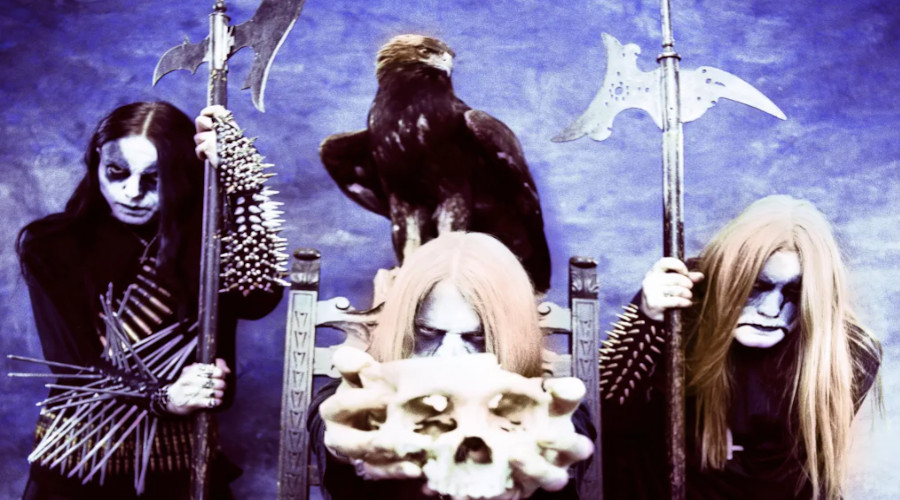
Satyricon: The Early Days and Formation of Norway’s Black Metal Trailblazers
Keywords: Satyricon, early Satyricon, Satyricon formation, Norwegian black metal, Satyr, Frost, Dark Medieval Times, black metal history, Norwegian metal bands
Discover the fascinating early history of Satyricon, from their formation during Norway’s infamous black metal explosion to the release of their groundbreaking debut album Dark Medieval Times.
The Birth of a Norwegian Black Metal Legend
By the early 1990s, Norway had become the epicentre of one of heavy metal’s most revolutionary movements. While bands such as Mayhem, Darkthrone, Burzum, Emperor and Immortal were redefining extreme music, another ambitious young band was quietly taking shape. That band was Satyricon.
Unlike many of their contemporaries, Satyricon would eventually expand beyond the primitive sound of early Norwegian black metal by incorporating atmosphere, melody and carefully crafted songwriting. Yet their beginnings were firmly rooted in the underground, driven by two determined musicians with a vision that would eventually make them one of black metal’s most respected and enduring acts.
The Norwegian Black Metal Explosion
To understand the formation of Satyricon, it is essential to understand the environment from which they emerged. By 1991 and 1992, Norway’s black metal movement had become infamous throughout Europe for its uncompromising music, corpse paint, anti-Christian philosophy and fiercely independent spirit.
Rather than chasing commercial success, Norwegian black metal bands embraced raw production, icy guitar tones and an atmosphere designed to feel cold, hostile and otherworldly. Underground tape trading networks, independent record labels and metal fanzines spread the music around the globe, creating an almost mythical reputation for Norway’s rapidly expanding extreme metal scene.
It was within this creative and controversial environment that Satyricon first came to life.
Satyr Forms Satyricon
Satyricon was founded in Oslo in 1991 by guitarist, bassist and songwriter Sigurd “Satyr” Wongraven. Born in 1975, Satyr had become fascinated with extreme metal during his teenage years and drew inspiration from pioneering acts including Bathory, Celtic Frost, Venom and the rapidly developing Norwegian black metal scene.
Even in his teens, Satyr possessed a clear artistic vision. Rather than merely copying existing bands, he wanted to create music that balanced aggression with atmosphere, melody and memorable songwriting. His compositions already hinted at the sophisticated musical direction Satyricon would later become famous for.
The earliest incarnation of Satyricon featured several musicians, with the line-up changing frequently during the band’s formative period—a common occurrence within Norway’s relatively small underground metal community.
Frost Joins the Band
The defining moment in Satyricon’s early history came in 1992 with the arrival of drummer Kjetil-Vidar “Frost” Haraldstad.
Already recognised as one of Norway’s most talented extreme metal drummers, Frost brought remarkable speed, precision and endurance to the band. His technically flawless blast beats and disciplined approach immediately elevated Satyricon’s sound.
The partnership between Satyr and Frost proved to be one of the most successful collaborations in black metal history. Satyr concentrated on songwriting, lyrics and the band’s creative direction, while Frost provided the devastating drumming that became one of Satyricon’s defining trademarks.
Unlike many Norwegian black metal bands whose line-ups constantly changed throughout the 1990s, the Satyr-Frost partnership has endured for decades.
The Demo Years
Like many underground metal bands of the era, Satyricon first established themselves through demo recordings.
Their debut demo, All Evil, was released in 1992 and quickly circulated through Europe’s thriving tape trading community. Although the production was intentionally raw, the recording showcased many of the musical characteristics that would later define Satyricon, including icy tremolo-picked guitar work, relentless drumming, atmospheric keyboards and lyrics inspired by darkness, mythology and occult themes.
The demo attracted considerable attention within underground circles and demonstrated that Satyricon possessed songwriting maturity beyond many of their peers.
Developing a Unique Sound
One characteristic that separated Satyricon from many early Norwegian black metal bands was their emphasis on atmosphere and musical storytelling.
While groups such as Darkthrone deliberately embraced stripped-back minimalism, Satyricon incorporated acoustic passages, keyboards and dynamic song structures that evoked images of medieval Europe, ancient forests and Nordic mythology.
This balance between brutality and atmosphere became one of the band’s defining strengths and distinguished them within Norway’s increasingly competitive black metal scene.
Signing with Moonfog Productions
As Satyricon’s reputation grew, they signed with Moonfog Productions, one of Norway’s most influential black metal labels.
The partnership provided the band with greater recording opportunities while allowing complete artistic freedom. Moonfog would later become synonymous with some of the finest releases in Norwegian black metal and played an important role in bringing the scene to an international audience.
Recording Dark Medieval Times
By 1993, the chemistry between Satyr and Frost had transformed Satyricon into one of Norway’s most promising underground acts.
This creative momentum culminated in the release of their debut full-length album, Dark Medieval Times, which immediately distinguished itself from many contemporary black metal releases.
Rather than relying solely on relentless blast beats and raw aggression, the album incorporated acoustic guitars, folk-inspired melodies, clean passages and lengthy atmospheric compositions that created cinematic musical landscapes.
Although unmistakably black metal, Dark Medieval Times demonstrated that the genre could be both savage and deeply immersive.
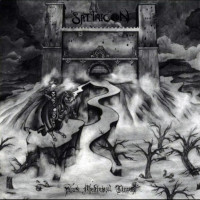 |
For a more detailed run down on Satyricon’s Debut album be sure to click on the album cover |
Building an International Reputation
Following the release of their debut album, Satyricon rapidly established themselves as one of Norway’s most respected black metal bands.
European fanzines praised their originality, while underground tape traders introduced the band’s music to listeners across the continent. Fans admired Satyricon’s refusal to imitate better-known acts, instead forging an identity rooted in medieval imagery, Nordic mysticism and sophisticated songwriting.
The band’s consistency, musicianship and artistic vision soon made them one of the standout names within Norway’s second wave of black metal.
A Partnership Built to Last
Many Norwegian black metal bands experienced instability, internal conflict or short-lived careers during the 1990s. Satyricon proved to be a notable exception.
The enduring partnership between Satyr and Frost provided a stable creative foundation that allowed the band to evolve without losing its core identity. This willingness to innovate while respecting black metal traditions would eventually produce classic albums including Nemesis Divina, Rebel Extravaganza, Volcano and Now, Diabolical.
Those landmark releases all trace their origins back to the early 1990s, when two ambitious young musicians set out to create something uniquely their own.
The Legacy of Satyricon’s Early Years
Looking back today, Satyricon’s formative years reveal a band that understood the importance of atmosphere, songwriting and artistic identity from the very beginning. While many of their contemporaries focused exclusively on extremity, Satyr and Frost recognised that memorable music required depth as well as aggression.
Their earliest recordings captured the spirit of Norway’s black metal revolution while laying the foundation for one of the genre’s longest-lasting and most influential careers.
For anyone exploring the history of Norwegian black metal, the formation of Satyricon remains an essential chapter. Their journey from underground demo recordings to internationally acclaimed innovators demonstrates that true artistic vision can endure long after musical trends have faded.
Conclusion
The early history of Satyricon is one of determination, creativity and evolution. Emerging from the heart of Norway’s infamous black metal movement, Satyr and Frost forged a partnership that would help redefine the genre while remaining true to its uncompromising spirit. More than three decades later, Satyricon continue to stand as one of black metal’s most influential and respected bands—a legacy built upon the remarkable foundations established during their earliest years.