
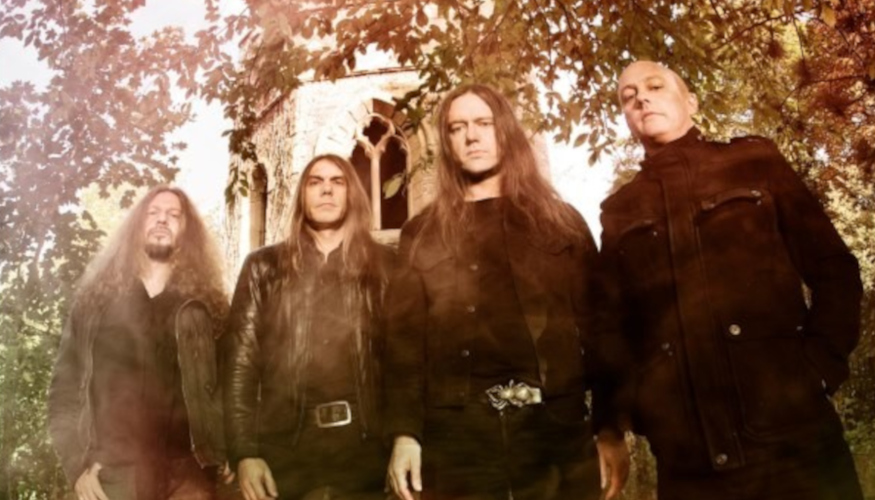
The Formation and Early Days of Cathedral: Doom Metal’s Great Reinvention
Few bands have had as significant an impact on modern doom metal as Cathedral. Formed in 1989 by former Napalm Death vocalist Lee Dorrian, Cathedral helped revive a genre that had largely disappeared from the mainstream heavy metal landscape. Combining the crushing weight of Black Sabbath with dark atmospheres, psychedelic influences, and an uncompromising artistic vision, Cathedral became one of the most influential doom metal bands of the 1990s.
From their groundbreaking debut album Forest of Equilibrium to their role in launching the death-doom movement, Cathedral carved out a unique identity that continues to inspire musicians today.

Lee Dorrian Leaves Napalm Death
The origins of Cathedral begin with vocalist Lee Dorrian, who had already established himself as a major figure within the British extreme metal scene.
Dorrian joined Napalm Death in 1987 and performed vocals on the landmark 1988 album From Enslavement to Obliteration. However, despite the band’s growing success, he was becoming increasingly dissatisfied with grindcore.
His musical interests were shifting toward slower and heavier sounds inspired by classic bands such as Black Sabbath, Saint Vitus, Pentagram, and Trouble.
By 1989, Dorrian made the bold decision to leave Napalm Death and pursue an entirely different musical direction.
Rather than creating faster and more aggressive music, he wanted to build a band focused on atmosphere, enormous guitar riffs, and traditional doom metal.
The Formation of Cathedral in 1989
In Coventry, England, Dorrian recruited guitarist Garry Jennings, who shared his love for vintage doom metal and psychedelic rock.
The pair quickly realised they had a common vision. Together they wanted to create music that was deliberately slow, dark, and immersive.
Original bassist Mark Griffiths and drummer Ben Mochrie soon joined the lineup, completing Cathedral’s earliest incarnation.
The band’s name was carefully chosen to evoke images of ancient architecture, mystery, and grandeur. It perfectly reflected the monumental quality of their music.
At a time when death metal and grindcore were becoming increasingly technical and aggressive, Cathedral intentionally moved in the opposite direction.
Reviving Doom Metal
By the late 1980s, doom metal was a relatively neglected genre.
Although Black Sabbath had pioneered the sound during the 1970s, very few bands were actively carrying the torch in Europe.
American acts like Saint Vitus, Pentagram, and Trouble maintained dedicated underground audiences, but doom remained a niche style.
Cathedral aimed to change that.
Their music embraced:
- Extremely slow tempos
- Downtuned guitar riffs
- Dark atmospheres
- Lengthy song structures
- Melancholic melodies
- Psychedelic influences
Dorrian also dramatically changed his vocal approach. Instead of grindcore screams, he adopted a haunting and mournful delivery that perfectly suited the band’s sound.
The In Memorium Demo
In 1990, Cathedral released their first demo, In Memorium.
The recording featured three songs:
- Mourning of a New Day
- Ebony Tears
- In Memorium
The demo immediately attracted attention throughout the underground metal community.
Listeners recognised that Cathedral were doing something unique. Their music wasn’t simply a Black Sabbath imitation but a modern reinterpretation of classic doom metal infused with contemporary darkness.
The success of the demo soon attracted record label interest.
Signing with Earache Records
Cathedral signed with Earache Records, the same label that had previously helped establish Napalm Death.
At the time, Earache was one of the most important labels in extreme metal, boasting an impressive roster that included Carcass, Entombed, and Bolt Thrower.
The label quickly recognised Cathedral’s potential and offered them the opportunity to record a full-length album.
This signing was a major milestone for doom metal itself, proving there was commercial interest in slower and more atmospheric forms of heavy music.
Forest of Equilibrium (1991)
In 1991, Cathedral released their debut album, Forest of Equilibrium.
Today, it is widely considered one of the greatest doom metal albums ever recorded.
The album featured songs such as:
- Ride
- Soul Sacrifice
- Reaching Happiness, Touching Pain
Every track moved at a glacial pace and created an overwhelming sense of despair and isolation.
The production intentionally embraced a raw, organic sound that enhanced the album’s oppressive atmosphere.
Although some listeners initially found its extreme slowness challenging, critics praised its originality and ambition.
Over time, Forest of Equilibrium became recognised as a foundational album within doom metal history.
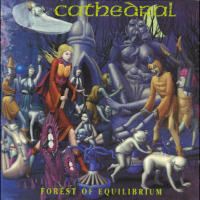 |
For a more detailed run down on Cathedral’s Debut album be sure to click on the album cover |
Early Touring and Growing Popularity
Following the album’s release, Cathedral began touring extensively throughout Europe.
Their live performances quickly earned a reputation for being hypnotic and immersive experiences.
Instead of relying on speed and aggression, Cathedral built a trance-like atmosphere through massive guitar riffs and haunting melodies.
Dorrian also developed a distinctive visual identity inspired by:
- 1970s psychedelic artwork
- Vintage horror films
- Occult imagery
- Retro fashion
This aesthetic would become a defining feature of the band’s career throughout the 1990s.
The Beginning of Cathedral’s Evolution
Although Forest of Equilibrium established Cathedral’s signature sound, Lee Dorrian never intended for the band to remain creatively static.
By the early 1990s, he was already incorporating more psychedelic and progressive influences into the songwriting process.
This willingness to evolve would eventually separate Cathedral from many of their contemporaries.
Rather than endlessly repeating traditional doom formulas, Cathedral continually expanded the boundaries of the genre.
Cathedral’s Lasting Legacy
The formation of Cathedral marked a turning point in heavy metal history.
Lee Dorrian’s decision to leave grindcore behind and embrace traditional doom metal helped launch an entirely new generation of artists.
By blending the spirit of Black Sabbath with modern underground sensibilities, Cathedral became one of the most influential doom metal bands of all time.
More than three decades later, their impact can still be heard throughout modern doom, stoner, and psychedelic metal.
What began as an unconventional project by a former grindcore vocalist ultimately transformed into one of heavy metal’s most respected institutions.
Cathedral proved that sometimes slowing down can be far more powerful than speeding up, forever changing the landscape of doom metal.