
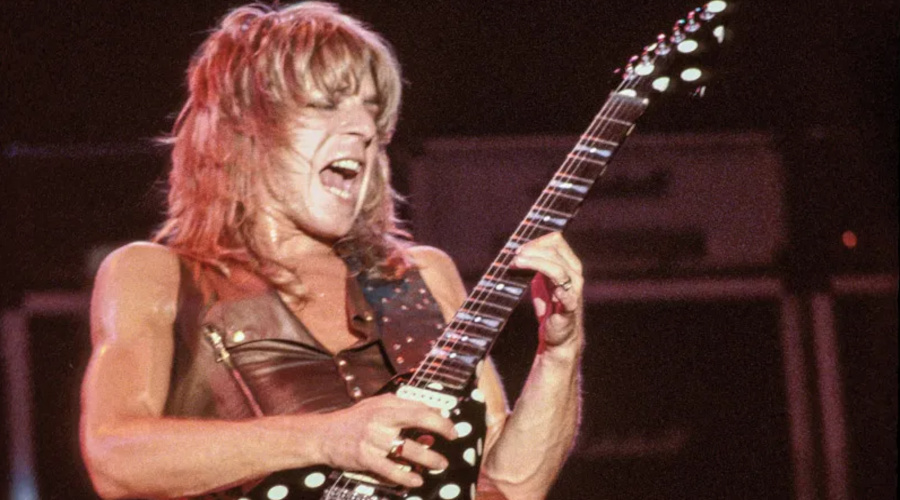
Randy Rhoads: The Meteoric Rise and Tragic Death of a Heavy Metal Guitar Legend
Few guitarists in heavy metal history have left such an extraordinary mark in such a short period as Randy Rhoads. A gifted musician with a passion for classical music, an insatiable appetite for technical perfection and a distinctive approach to heavy guitar playing, Rhoads helped transform OZZY OSBOURNE’S career during the early 1980s. His work on Blizzard of Ozz and Diary of a Madman established him as one of the most exciting guitarists of his generation.
Yet just as his star was rising, tragedy struck. On March 19, 1982, Rhoads died in a plane crash in Florida at the age of just 25. His death robbed heavy metal of a musician whose potential seemed limitless, but his recordings, compositions and influence continue to inspire generations of guitarists.
Early Life: A Guitarist Destined for Greatness
Born Randall William Rhoads on December 6, 1956, in Santa Monica, California, Randy grew up in a musical environment. His mother, Delores Rhoads, was a music teacher who established the Musonia School of Music in North Hollywood. Surrounded by music from an early age, Randy began learning guitar as a child and quickly demonstrated an exceptional aptitude for the instrument.
Unlike many aspiring rock guitarists who concentrated exclusively on blues and rock and roll, Rhoads developed a serious interest in classical music. He studied classical guitar and became fascinated by the compositions of European masters, incorporating elements of their precision, melodic development and musical structure into his own playing.
This combination would eventually become his trademark. Rhoads could deliver the aggression and volume expected of a heavy metal guitarist while bringing a remarkable degree of discipline and sophistication to his solos.
He was intensely dedicated to improving his abilities. For Rhoads, guitar playing was not simply about speed or showing off; it was about creating music that was both technically impressive and emotionally powerful.
Quiet Riot: The Road to Recognition
Rhoads’ first significant step towards a professional music career came with QUIET RIOT, the Los Angeles hard rock band he formed with vocalist Kevin DuBrow, bassist Kelly Garni and drummer Drew Forsyth in the mid-1970s.
The band emerged from the energetic Los Angeles rock scene, where aspiring musicians competed for attention in clubs and sought record deals. Quiet Riot developed a following locally, with Rhoads’ increasingly sophisticated guitar work becoming a major part of its identity.
Despite their ambitions, the band struggled to secure a major recording contract in the United States. Quiet Riot released its self-titled debut album in Japan in 1977, followed by Quiet Riot II in 1978. Although these records did not bring the band the widespread recognition its members had hoped for, they documented Rhoads’ developing style and revealed the talent that would soon attract international attention.
The guitarist’s time with Quiet Riot was an important apprenticeship. He gained experience writing songs, performing live and working within a band, while continuing to develop the combination of heavy riffs, melodic solos and classical flourishes that would distinguish his later work.
By 1979, Rhoads was ready for a new challenge. An unexpected opportunity would take him away from the Los Angeles club circuit and onto a much bigger stage.
Meeting Ozzy Osbourne: A Career-Changing Opportunity
In 1979, Ozzy Osbourne was facing an uncertain future. Having been dismissed from Black Sabbath, the vocalist was attempting to establish himself as a solo artist. He needed a guitarist capable of helping him create a sound that could stand apart from his former band.
Rhoads auditioned for Osbourne’s new project after being recommended through the Los Angeles music network. The chemistry between the two musicians proved decisive. Osbourne recognised that the young guitarist possessed something special, and Rhoads became a central figure in assembling the vocalist’s new musical direction.
The partnership was a turning point for both men. Osbourne brought his unmistakable voice, dark personality and instinct for memorable hooks, while Rhoads supplied intricate guitar arrangements, powerful riffs and solos that combined classical influence with the raw energy of heavy metal.
Together, they helped create a sound that was simultaneously accessible and adventurous. It was heavy enough to appeal to metal fans but melodic enough to reach a much broader audience.
Rhoads’ arrival gave Osbourne a fresh creative identity at a crucial moment in his career. For the guitarist, it provided the international platform that Quiet Riot had been unable to deliver.
Blizzard of Ozz: The Album That Changed Everything

|
Randy Rhoads makes his debut with Ozzy Osbourne on the classic metal record “Blizzard of Oz”. For a more detailed review click the album cover. |
Released in the United Kingdom in 1980 and in the United States in 1981, Blizzard of Ozz announced the arrival of a formidable new force in heavy metal. Featuring Rhoads alongside bassist and songwriter Bob Daisley and drummer Lee Kerslake, the album established Osbourne as a major solo artist and introduced the world to Rhoads’ extraordinary guitar playing.
The opening track, “I Don’t Know”, immediately demonstrated the guitarist’s ability to combine muscular riffing with inventive lead work. However, it was “Crazy Train” that became the defining anthem of the album. Its instantly recognisable opening riff, driving rhythm and soaring solo helped make it one of the most enduring songs in heavy metal.
Other tracks, including “Mr. Crowley” and “Suicide Solution”, showcased Rhoads’ ability to construct solos that were more than demonstrations of technical ability. His playing featured carefully developed melodies, dramatic phrasing and changes in intensity that gave each performance a distinctive character.
One particularly revealing moment was “Dee”, a brief acoustic instrumental dedicated to his mother. Its delicate classical passages demonstrated a completely different side of his musical personality, revealing a guitarist whose interests extended well beyond the conventional boundaries of heavy rock.
The album’s success transformed Rhoads from a relatively unknown musician into one of the most talked-about guitarists in the metal world. His combination of classical sophistication and heavy metal aggression helped establish a template that numerous aspiring guitarists would attempt to follow.
Diary of a Madman and the Rise of a Guitar Icon
|
|
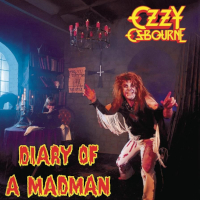
Rather than resting on the success of Blizzard of Ozz, Rhoads continued to push himself musically. The second Osbourne studio album, Diary of a Madman, arrived in 1981 and further demonstrated the guitarist’s developing command of composition and performance.
Tracks such as “Over the Mountain”, “Flying High Again” and the title track showcased his ability to move effortlessly between heavy riffs, intricate harmonies and technically demanding solos. The music was ambitious without losing its sense of drama, and Rhoads’ playing became one of the defining features of Osbourne’s emerging solo catalogue.
His approach was particularly distinctive because he did not treat classical influences as a decorative addition to heavy metal. Instead, he incorporated them into the underlying musical structure, using carefully arranged melodies, unusual runs and a disciplined understanding of harmony.
Rhoads also became known for his stage presence and distinctive white, angular electric guitar designs. His image and sound helped establish him as a recognisable figure in the burgeoning 1980s metal scene.
Recognition followed. He received the Best New Talent award in Guitar Player magazine’s 1981 readers’ poll, an indication of the impression he had made on musicians and fans alike.
At only 24, Rhoads was already regarded as one of the most exciting guitarists in the business. He was also considering his future beyond touring, including the possibility of returning to formal music study. For a musician who had already achieved so much, the prospect of further development made his future seem even more promising.
March 19, 1982: The Tragic Plane Crash
On March 18, 1982, Osbourne’s band performed in Knoxville, Tennessee. The following morning, the touring party was travelling towards Florida for another concert when its bus stopped at Flying Baron Estates near Leesburg.
The property had an airstrip and several aircraft. Andrew Aycock, the band’s tour bus driver and a licensed pilot, took a small Beechcraft Bonanza into the air. Earlier flights had included other members of the touring party.
Rhoads subsequently boarded the aircraft with tour hairdresser and costume designer Rachel Youngblood. Accounts of the accident describe the plane making low passes over the band’s tour bus. During a subsequent pass, the aircraft’s left wing struck the bus, causing the plane to lose control.
The aircraft then struck a tree and crashed into a nearby garage, bursting into flames. Rhoads, Aycock and Youngblood were all killed.
Rhoads was just 25 years old.
The accident was a devastating shock to the touring party. Osbourne and his fellow musicians had lost a friend and colleague at the very moment their careers were gaining momentum. The investigation attributed the crash to the pilot’s poor judgement while flying close to the bus and misjudging the clearance of obstacles.
For Osbourne, the loss was particularly painful. Rhoads had helped restore his confidence and given him a renewed sense of purpose following his departure from Black Sabbath. The guitarist was not merely a member of the band; he was a vital creative partner who had helped shape the direction of Osbourne’s solo career.
The tour was interrupted, and the surviving musicians were left to deal with the sudden loss. The heavy metal community had lost a remarkable talent before he had the opportunity to explore the full extent of his abilities.
Randy Rhoads’ Enduring Legacy
The death of Randy Rhoads might have brought his career to an abrupt end, but it did not diminish his influence. In the years that followed, his reputation grew as musicians and fans continued to discover the remarkable recordings he had left behind.
In 1987, Osbourne released Tribute, a live album featuring Rhoads’ performances. The record offered listeners an opportunity to experience the guitarist’s stage work and demonstrated that his playing was just as impressive in concert as it was in the studio.
His former band Quiet Riot also paid tribute to him. The song “Thunderbird”, featured on the band’s 1984 album Condition Critical, was written in his memory, while the later compilation The Randy Rhoads Years revisited his contributions to the group’s early recordings.
Rhoads’ influence can be heard in generations of heavy metal and hard rock guitarists who have adopted elements of his approach. His playing helped popularise a more classically informed style of metal guitar, demonstrating that technical precision and melodic expression could coexist with volume, aggression and attitude.
His association with Jackson guitars also became part of his legacy. The distinctive angular guitar designs developed during his career helped establish an enduring visual identity for metal guitarists, and instruments bearing his name remain closely associated with his playing style.
Yet perhaps the most important part of Rhoads’ legacy is the music itself. The opening riff of “Crazy Train”, the intricate passages of “Mr. Crowley” and the emotional depth of his solos remain powerful reminders of his talent.
Gone Too Soon, Never Forgotten
Randy Rhoads’ career lasted only a handful of years, but his impact on heavy metal was enormous. He helped Ozzy Osbourne reinvent himself, brought classical sophistication into the heart of heavy guitar playing and demonstrated a level of dedication that continues to inspire musicians.
His death was one of heavy metal’s great tragedies: a gifted young guitarist taken away just as the world was beginning to recognise his potential.
More than four decades later, Rhoads remains a towering figure in the history of the genre. His recordings continue to introduce new listeners to his remarkable abilities, while established guitarists still study the precision, melody and imagination that made his playing so distinctive.
Randy Rhoads never had the chance to discover how far his career might have taken him. But through Blizzard of Ozz, Diary of a Madman and the music he left behind, his influence lives on.
For Metalhed readers, his story is a reminder of both the extraordinary heights that heavy metal can reach and the heartbreaking fragility of the lives behind the music.